
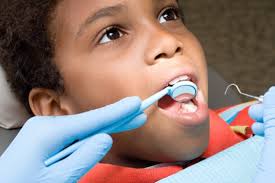
School based dental screenings are spreading for a simple reason. Children are in pain, and many families cannot reach care in time. You see it when a child misses class because of a toothache. You feel it when you must choose between time off work and your child’s health. These screenings bring help to where children already spend their days. They catch small problems before they become infections or missed school days. They also guide parents who do not know where to start. Some screenings even connect families with an emergency dentist in Richmond when urgent care is needed. This support removes guesswork and fear. It also respects your time and your paycheck. When a school offers dental screenings, it sends a clear message. Your child’s mouth is not a side issue. It is part of learning, focus, and daily comfort.
Why teeth affect school success
Tooth pain is not small. It steals sleep. It makes eating hard. It blocks focus. A child with a sore tooth may act out or shut down. Teachers see a “behavior problem” when the root cause is pain.
The Centers for Disease Control and Prevention reports that children with poor oral health miss more school days and get lower grades than classmates with healthy teeth. The message is clear. Healthy teeth support learning.
Routine cleanings at a dentist’s office help. Yet many children never get there. Screening at school closes that gap.
Why families struggle to reach dental care
Most parents care deeply about their child’s teeth. The problem is access, not concern. Common barriers include:
- No dental insurance or high copays
- No paid time off work
- No car or unreliable transport
- Few dentists who accept Medicaid
- Fear of cost or past bad visits
Each barrier may sound small on its own. Together, they create a wall. School-based dental screenings pull care through that wall. They meet your child where your child already is.
What happens during a school dental screening
A school screening is short. It is not a full dental visit. It is a quick check that spots trouble early. A typical screening includes three steps.
- A trained dental professional looks at each child’s teeth and gums with a light.
- The screener notes signs of cavities, infection, or injury.
- The school sends a report home with clear next steps.
Sometimes children also receive fluoride varnish or sealants if a parent gives consent. These simple treatments can cut the risk of cavities.
Screenings do not replace regular dental visits. Instead, they act as a safety net. They catch children who would slip through.
How screenings protect your child’s health
Early detection is the main strength. A small cavity is much easier to treat than a deep infection. A cracked tooth is easier to fix before it breaks more.
Screenings help your child in three key ways.
- They find problems before they cause severe pain.
- They shorten the time between first signs and real treatment.
- They guide you to the right level of care.
When a report says “urgent,” you know your child needs fast attention. When it says “routine,” you can plan a regular checkup. That clarity reduces panic and delay.
Why schools are saying yes
Schools care about grades and attendance. Dental pain hurts both. A child who misses three days for a tooth problem loses learning time. A child who sits in class with pain also falls behind.
Many school leaders see dental screenings as a practical tool. They cost less than lost learning. They also show families that the school respects the whole child. That respect builds trust between home and school.
Public health agencies support this shift. The Health Resources and Services Administration offers guidance on school oral health programs. This support helps schools plan safe and effective services.
What the numbers show
Research on school-based dental programs shows real gains. Children who receive screenings and basic care at school have fewer untreated cavities and fewer emergency visits.
The table below compares children with and without school screenings. Numbers are sample figures based on common findings from public health reports.
| Outcome | With school screening | Without school screening |
|---|---|---|
| Children with untreated cavities | 15 out of 100 | 30 out of 100 |
| Missed school days in a year due to dental pain | 1 day per child | 3 days per child |
| Dental visits that are emergencies | 10 out of 100 visits | 25 out of 100 visits |
| Children with sealants on molars | 70 out of 100 | 40 out of 100 |
The pattern is steady. Screenings do not erase all problems. Yet they cut them down and redirect care before a crisis.
How schools link families to care
A screening is only useful if it leads to treatment. Many programs now include care coordination. That phrase means a real person helps you take the next step.
That support can include:
- Lists of local dentists who accept your insurance
- Referrals to community health centers
- Help with forms for Medicaid or CHIP
- Clear guidance when emergency care is needed
This link between school and dentist turns a simple screening into a full bridge to care. It lightens your load at a time when you may feel stress or guilt.
What you can do as a parent or caregiver
You have power in this process. When your school offers dental screenings, you can:
- Read consent forms and say yes if you feel ready.
- Ask who will perform the screenings and how results are shared.
- Keep the report in a safe place and bring it to your child’s dentist.
If the report flags urgent needs, call a dentist as soon as you can. If cost or transport is a problem, contact the school nurse or counselor. Many schools know local programs that can help. You are not alone in this.
Why support for school screenings will keep growing
School-based dental screenings are gaining strength because they solve real pain points. They reduce missed class time. They cut emergency visits. They give parents clear, simple information.
As more schools share success stories, other schools follow. The result is a quiet shift in how communities protect children’s health. Your voice matters in this shift. When you support school screenings, you support less pain, more learning, and calmer days for your child.