
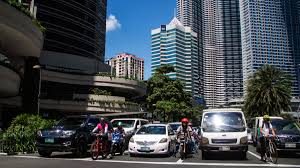
Many drivers in the Philippines, especially those traveling daily in Metro Manila, struggle with traffic violations because they are unaware of the latest coding schedules, city-specific restrictions, and updated enforcement rules. Understanding coding window hours is important to avoid penalties, delays, and unnecessary fines while driving on major roads.
Whether you drive a private car, company vehicle, or regularly travel through major roads in Metro Manila, knowing the latest coding rules can help you avoid fines, traffic delays, and unnecessary stress.
This complete guide explains:
- What coding window hours mean
- How the number coding scheme works
- Coding schedules by plate number
- Cities with no window hours
- Penalties for violations
- Exempted vehicles
- Tips to avoid coding violations
What Are Coding Window Hours?
Coding window hours refer to the specific time periods when vehicles affected by the number coding scheme are temporarily allowed to use public roads despite their coding restriction.
The Philippines uses the Unified Vehicular Volume Reduction Program (UVVRP), commonly called the number coding scheme, to reduce traffic congestion on busy roads.
Under this system:
- Certain vehicles are banned from traveling on designated days
- Restrictions depend on the last digit of the vehicle plate number
- Window hours provide temporary exemptions during non-peak traffic times
The goal is to reduce the number of vehicles during rush hours and improve traffic flow across Metro Manila.
What Is the Number Coding Scheme?
The number coding scheme is a traffic management program implemented by the Metropolitan Manila Development Authority and local government units.
The restriction is based on the last digit of your vehicle’s plate number.
Standard Coding Schedule
| Day | Restricted Plate Numbers |
| Monday | 1 and 2 |
| Tuesday | 3 and 4 |
| Wednesday | 5 and 6 |
| Thursday | 7 and 8 |
| Friday | 9 and 0 |
Vehicles with matching plate numbers are restricted from using certain roads during coding enforcement hours.
Standard Coding Hours in Metro Manila
Most roads under MMDA jurisdiction follow standard coding enforcement hours.
Common enforcement schedule:
- 7:00 AM to 10:00 AM
- 5:00 PM to 8:00 PM
During window hours:
- Restricted vehicles may travel legally
- Traffic volume is usually lower
Typical coding window period:
- 10:01 AM to 4:59 PM
However, this varies by city.
Cities With No Coding Window Hours
Some Metro Manila cities enforce stricter rules with no window hours at all.
This means restricted vehicles cannot travel the entire day during coding schedules.
Cities that may implement stricter enforcement include:
- Makati
- Mandaluyong
- Pasig
In these areas, restricted vehicles may be prohibited from:
- 7:00 AM to 7:00 PM
- Without midday exemptions
Rules may change depending on current traffic policies.
Roads Commonly Covered by Coding Rules
Coding restrictions often apply to:
- EDSA
- C5 Road
- Roxas Boulevard
- Ortigas Avenue
- Quezon Avenue
- Aurora Boulevard
- Marcos Highway
Enforcement areas may differ by city and traffic authority.
Vehicles Usually Exempted From Coding
Certain vehicle types may qualify for exemption.
These often include:
- Ambulances
- Fire trucks
- Police vehicles
- Marked government vehicles
- Public utility buses
- Motorcycles (in most areas)
- Electric vehicles in selected cities
However, exemptions can vary depending on local regulations.
Always verify current rules before assuming exemption status.
Are Motorcycles Included in Number Coding?
In many parts of Metro Manila, motorcycles are generally exempt from coding restrictions. This is one reason motorcycles remain popular for commuters and delivery riders.
However:
- Motorcycle policies may vary by city
- Temporary restrictions may still apply during special traffic situations
Delivery riders and motorcycle owners should still monitor official advisories.
Penalties for Coding Violations
Drivers who violate coding rules may face penalties and citations.
Common penalties include:
- Traffic fines
- License recording violations
- Additional penalties for repeat offenses
Violations are usually issued by:
- MMDA officers
- City traffic enforcers
- CCTV monitoring systems
Repeated violations can create complications during:
- Driver’s license renewal
- Vehicle registration renewal
- Traffic clearance applications
Why Coding Window Hours Matter
Understanding coding window hours helps drivers:
- Avoid penalties
- Plan trips efficiently
- Reduce fuel waste
- Prevent delays during work commutes
Businesses that rely on transportation also use coding schedules to organize:
- Delivery operations
- Employee transportation
- Fleet management
Ignoring coding restrictions can affect productivity and increase transportation costs.
Common Mistakes Drivers Make
Many drivers still get violations because of simple mistakes.
Assuming All Cities Follow the Same Rules
Different cities may implement different coding policies.
Forgetting Coding Days
Busy schedules make many drivers forget their restriction day.
Relying on Old Information
Traffic policies can change frequently.
Misunderstanding Window Hours
Some cities no longer allow midday travel exemptions.
How to Check the Latest Coding Announcements
Traffic rules can change because of:
- Holidays
- Flooding
- National emergencies
- Transport strikes
- Road construction
Drivers should monitor official announcements from:
- Metropolitan Manila Development Authority
- Local city government pages
- Traffic advisories
- News updates
Tips to Avoid Coding Violations
Use Alternate Transportation
Consider public transportation or ride-sharing on coding days.
Plan Around Window Hours
Travel during permitted times whenever possible.
Use Navigation Apps
Modern GPS apps often show coding restrictions and traffic alerts.
Set Calendar Reminders
Adding coding schedules to your phone calendar helps avoid mistakes.
Verify Local Rules
Do not assume every city follows MMDA standards.
What Happens During Coding Suspension?
The government occasionally suspends coding rules during:
- Holidays
- Severe weather
- National emergencies
- Transport strikes
During suspension periods:
- All vehicles may travel freely
- Traffic volume often increases significantly
Announcements are usually made publicly before implementation.
Future of Number Coding in the Philippines
Traffic authorities continue studying ways to improve congestion management.
Possible future developments may include:
- Digital traffic monitoring
- Smarter coding systems
- Expanded electric vehicle exemptions
- AI-based traffic enforcement
As Metro Manila traffic continues growing, coding policies may evolve further in the coming years.
Final Thoughts
Coding window hours remain an important part of traffic management in the Philippines. Understanding the latest schedules, restrictions, exemptions, and city-specific rules can help drivers avoid penalties and travel more efficiently.
Before driving, always verify current coding policies for your area, especially if traveling through multiple Metro Manila cities. Staying informed is the best way to avoid unnecessary fines, delays, and traffic violations.